


Morocco is a fascinating destination where ancient traditions, beautiful architecture, colorful markets, and diverse cultural influences come together. From the historic Medinas of Marrakech and Fes to the traditional Amazigh villages of the Atlas Mountains, the country offers countless opportunities to discover its rich heritage and authentic lifestyle.
Choosing Morocco Cultural Tours is an excellent way to explore the country’s history, experience local traditions, and learn about the customs that make Morocco such a unique destination. Whether you are interested in historic monuments, traditional Moroccan cuisine, local handicrafts, ancient architecture, or authentic village experiences, Morocco offers something special for every traveler.
In this guide, we will explore the best cultural destinations, traditional experiences, historical attractions, and travel tips to help you plan an unforgettable cultural journey through Morocco.
1. Why Choose Morocco for a Cultural Holiday?
Morocco has a fascinating cultural identity shaped by Amazigh, Arab, Andalusian, African, and Mediterranean influences.
Its historic cities, traditional architecture, local markets, music, cuisine, and craftsmanship provide visitors with opportunities to discover centuries of history and cultural traditions.
Here are some reasons to choose Morocco for a cultural holiday:
- Explore historic Medinas and traditional marketplaces.
- Discover beautiful Islamic and Moroccan architecture.
- Learn about Amazigh heritage and traditions.
- Enjoy authentic Moroccan food and traditional cooking.
- Visit historic palaces, mosques, and ancient monuments.
- Discover traditional handicrafts and artisan workshops.
- Experience local music, hospitality, and cultural celebrations.
- Explore traditional villages and historic kasbahs.
Morocco is an excellent destination for travelers who want to understand a country’s history while experiencing its everyday culture.
2. Discover the Cultural Heritage of Marrakech
Marrakech is one of the most important cultural destinations in Morocco.
Known as the Red City, Marrakech is famous for its historic Medina, traditional souks, beautiful palaces, and remarkable architecture.
Visitors can discover the city’s fascinating heritage through its historic attractions and local experiences.
Some popular places to visit include:
- Jemaa el-Fnaa:Experience the lively atmosphere of Marrakech’s famous square, with traditional food stalls, storytellers, musicians, and local vendors.
- Bahia Palace:Admire traditional Moroccan architecture, decorative ceilings, and beautiful courtyards.
- Ben Youssef Madrasa:Discover an important historic educational monument known for its intricate architectural details.
- Koutoubia Mosque:Admire one of Marrakech’s most recognizable historic landmarks.
- Marrakech Medina:Explore traditional markets selling spices, textiles, leather products, and handicrafts.
A guided walking tour is an excellent way to discover the city’s history and understand its cultural significance.
3. Explore the Ancient Medina of Fes
Fes is one of Morocco’s most fascinating destinations for cultural exploration.
Its historic Medina, known as Fes el Bali, is recognized as a UNESCO World Heritage Site and is famous for its traditional architecture, artisan workshops, and centuries-old streets.
Visitors can explore:
- Al Quaraouiyine:A historic institution traditionally associated with one of the world’s oldest continuously operating educational establishments.
- Bou Inania Madrasa:Discover beautiful traditional Moroccan architecture and decorative craftsmanship.
- Chouara Tanneries:Observe traditional leather-dyeing practices from designated viewing areas.
- Fes el Bali:Explore narrow streets, historic buildings, and traditional markets.
- Artisan Workshops:Discover traditional pottery, metalwork, weaving, and leather craftsmanship.
Fes offers an excellent opportunity to understand Morocco’s artistic heritage and traditional urban lifestyle.
4. Discover Traditional Amazigh Culture in the Atlas Mountains
The Atlas Mountains are home to many Amazigh communities with rich cultural traditions and distinctive lifestyles.
Visiting traditional mountain villages provides an opportunity to discover local architecture, traditional food, handicrafts, and everyday customs.
Some cultural experiences include:
- Visiting traditional Amazigh villages.
- Learning about local architecture and lifestyles.
- Enjoying homemade Moroccan meals.
- Discovering traditional weaving and crafts.
- Visiting local markets.
- Exploring beautiful mountain landscapes.
Imlil and surrounding High Atlas villages are popular destinations for cultural excursions.
Travelers should choose respectful, locally guided experiences that benefit the communities they visit.
5. Experience Traditional Moroccan Food and Cooking Classes
Moroccan cuisine is an essential part of the country’s cultural identity.
Its recipes combine aromatic spices, fresh ingredients, traditional cooking techniques, and regional influences.
Participating in a Moroccan cooking class is an excellent way to discover local culinary traditions.
Some traditional dishes to explore include:
- Tagine:A slow-cooked meal prepared with meat, vegetables, and aromatic spices.
- Couscous:A traditional dish made with steamed semolina and served with vegetables and meat.
- Harira:A popular soup prepared with tomatoes, lentils, chickpeas, and herbs.
- Pastilla:A traditional pastry combining sweet and savory flavors.
- Briouats:Small pastries with sweet or savory fillings.
- Moroccan Mint Tea:A traditional drink associated with Moroccan hospitality.
Many cooking experiences also include visits to local markets to discover fresh ingredients and traditional spices.
6. Discover Morocco’s Traditional Souks and Handicrafts
Traditional markets, known as souks, are among the most interesting places to discover Moroccan culture.
These marketplaces are important centers of traditional commerce and craftsmanship.
Visitors can find a wide range of handmade products, including:
- Traditional Moroccan carpets.
- Handmade leather bags and shoes.
- Decorative ceramics.
- Brass and copper products.
- Traditional textiles.
- Wooden handicrafts.
- Jewelry and silverwork.
- Colorful pottery and decorative items.
Marrakech and Fes are particularly famous for their traditional souks and artisan workshops.
Visiting these markets provides an opportunity to observe traditional craftsmanship and support local artisans.
7. Visit Ait Ben Haddou and Discover Historic Kasbahs
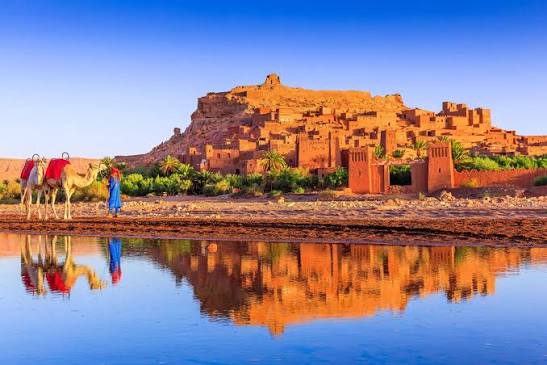
Ait Ben Haddou is one of Morocco’s most remarkable historic attractions.
Located in southern Morocco, this fortified village is recognized as a UNESCO World Heritage Site.
It is famous for its traditional earthen architecture, historic buildings, and impressive location along ancient trading routes.
Visitors can enjoy:
- Exploring the historic fortified village.
- Discovering traditional mud-brick architecture.
- Learning about regional history.
- Photographing beautiful landscapes.
- Visiting nearby historic kasbahs.
The region around Ouarzazate also offers opportunities to explore Morocco’s architectural heritage and traditional southern lifestyles.
8. Explore the Cultural Beauty of Chefchaouen
Chefchaouen is one of Morocco’s most picturesque cities.
Located in the Rif Mountains, it is famous for its blue-painted buildings, charming streets, and traditional atmosphere.
Beyond its beautiful appearance, Chefchaouen offers visitors opportunities to discover local crafts, regional food, and traditional lifestyles.
Popular experiences include:
- Exploring the blue Medina.
- Visiting local handicraft shops.
- Discovering traditional architecture.
- Enjoying regional Moroccan cuisine.
- Photographing beautiful streets.
- Exploring the surrounding mountain scenery.
Chefchaouen is an excellent destination for travelers who enjoy culture, photography, and peaceful exploration.
9. Experience Traditional Moroccan Music and Dance
Music is an important part of Morocco’s cultural heritage.
Different regions have distinctive musical traditions influenced by Amazigh, Arab, Andalusian, and African cultures.
Travelers can discover various musical styles through cultural performances and local events.
Some popular musical traditions include:
- Gnawa Music:A traditional musical heritage combining spiritual, rhythmic, and African influences.
- Amazigh Music:Traditional music associated with different Amazigh communities.
- Andalusian Music:A classical musical tradition influenced by historical connections between Morocco and Al-Andalus.
- Chaabi Music:A popular Moroccan musical style often associated with celebrations and social gatherings.
Visitors can experience traditional performances at cultural venues, festivals, and selected restaurants.
10. Discover Moroccan Architecture and Historic Monuments
Morocco is famous for its distinctive architecture, which combines geometric patterns, decorative plasterwork, carved wood, colorful tiles, and beautiful courtyards.
Some architectural features worth discovering include:
- Zellige mosaic tilework.
- Traditional carved wooden ceilings.
- Decorative plasterwork.
- Historic riads and courtyards.
- Ornamental fountains.
- Traditional Moroccan doors.
- Historic madrasas and kasbahs.
Marrakech, Fes, Meknes, and Rabat offer excellent opportunities to explore Morocco’s architectural heritage.
11. Different Types of Morocco Cultural Tour Packages
Morocco offers several cultural travel experiences to suit different interests and budgets.
Private Morocco Cultural Tours
Private cultural tours provide personalized itineraries, private transportation, and experienced local guides.
They are ideal for couples, families, and small groups interested in exploring Morocco at their own pace.
Morocco Historical Tours
Historical tours focus on ancient Medinas, historic monuments, palaces, kasbahs, and important heritage sites.
Popular destinations include Fes, Marrakech, Meknes, Rabat, and Ait Ben Haddou.
Morocco Food and Cultural Tours
Food-focused cultural tours combine traditional market visits, Moroccan cooking classes, local restaurants, and regional culinary experiences.
Morocco Amazigh Cultural Tours
These experiences introduce travelers to traditional mountain communities, local architecture, handicrafts, food, and Amazigh heritage.
Morocco Luxury Cultural Tours
Luxury cultural packages combine premium accommodation, private guides, exclusive experiences, and comfortable transportation.
12. Best Time for Morocco Cultural Tours
Morocco can be explored throughout the year, but some seasons offer more comfortable conditions for cultural sightseeing.
Spring (March to May): Spring is one of the best seasons for exploring historic cities, traditional villages, and outdoor attractions.
Summer (June to August): Summer can be very hot in inland cities such as Marrakech and Fes. Coastal destinations are generally more comfortable.
Autumn (September to November): Autumn offers pleasant conditions for cultural exploration, sightseeing, and discovering different regions.
Winter (December to February): Winter is suitable for exploring historic cities, museums, traditional markets, and cultural attractions, although evenings can be cold.
Spring and autumn are generally excellent choices for travelers planning a multi-city cultural holiday.
13. Suggested 7-Day Morocco Cultural Tour Itinerary
A seven-day itinerary can introduce visitors to some of Morocco’s most fascinating cultural destinations.
Day 1: Arrival in Marrakech
Arrive in Marrakech and explore Jemaa el-Fnaa Square and the traditional Medina.
Day 2: Marrakech Cultural Tour
Visit Bahia Palace, Ben Youssef Madrasa, Koutoubia Mosque, and traditional artisan workshops.
Day 3: Atlas Mountains and Traditional Villages
Enjoy a scenic excursion through the Atlas Mountains and discover traditional Amazigh communities.
Day 4: Ait Ben Haddou and Ouarzazate
Explore the historic fortified village of Ait Ben Haddou and discover the architecture of southern Morocco.
Day 5: Travel to Fes
Travel toward Fes and enjoy the changing landscapes of central Morocco.
Day 6: Fes Cultural Exploration
Discover Fes el Bali, Bou Inania Madrasa, traditional tanneries, and local artisan workshops.
Day 7: Discover Fes and Departure
Enjoy additional cultural exploration before departing or continuing your journey to another Moroccan destination.
This itinerary involves considerable travel. Adding extra days allows visitors to explore each destination at a more relaxed pace.
14. Essential Tips for Planning a Morocco Cultural Tour
Before booking your cultural holiday, consider these helpful recommendations:
- Choose experienced local guides with good knowledge of Moroccan history.
- Allow enough time to explore historic Medinas.
- Visit traditional artisan workshops.
- Respect local customs and religious practices.
- Ask permission before photographing local people.
- Support local businesses and independent artisans.
- Try regional Moroccan dishes.
- Wear comfortable clothing and walking shoes.
- Book popular guided experiences in advance.
- Check opening times and access requirements for historic attractions.
Responsible cultural tourism helps preserve Morocco’s heritage while supporting local communities.
Final Thoughts
Morocco is an incredible destination for travelers interested in history, architecture, traditional crafts, delicious food, and authentic cultural experiences.
From exploring the ancient Medina of Fes and discovering Marrakech’s historic palaces to visiting Amazigh villages in the Atlas Mountains and experiencing traditional Moroccan music, every destination offers something unique.
Morocco Cultural Tours provide an opportunity to understand the country’s fascinating heritage while experiencing its welcoming hospitality and diverse traditions.
Whether you are planning a private cultural journey, a historical sightseeing holiday, a food-focused adventure, or a luxury cultural escape, Morocco promises meaningful experiences and unforgettable memories.
Start planning your Moroccan cultural adventure and discover the traditions, history, and heritage that make this beautiful country so special.