

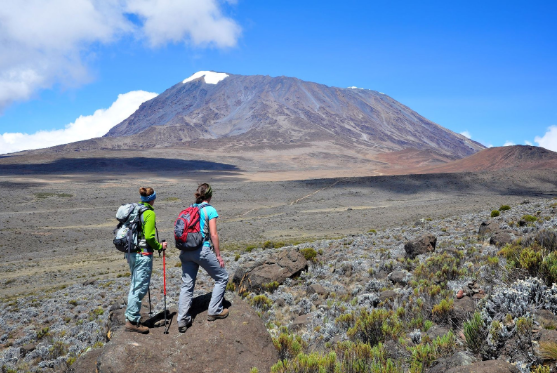

Climbing Mount Kilimanjaro stands as Africa’s tallest mountain and one of the world’s most iconic peaks, rising 5,895 meters above sea level in Tanzania. This dormant volcano attracts thousands of adventurers annually, offering a unique opportunity to summit a major peak without technical climbing skills. The mountain’s accessibility combined with its breathtaking beauty makes it a bucket-list destination for trekkers worldwide.
Understanding Mount Kilimanjaro
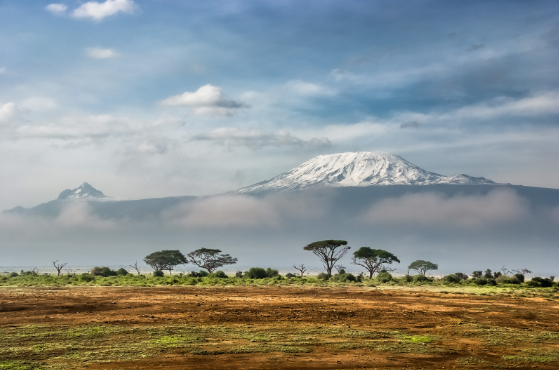
Kilimanjaro is not a single mountain but a massive stratovolcano with three distinct volcanic cones: Kibo, Mawenzi, and Shira. The highest point, Uhuru Peak on Kibo’s crater rim, represents the ultimate goal for climbers. What makes Kilimanjaro remarkable is its diverse ecological zones, ranging from tropical rainforest at the base to arctic conditions at the summit. This dramatic transition occurs over a relatively short distance, creating an extraordinary natural laboratory of climate zones.
The mountain’s location near the equator means climbers can experience all four seasons in a single trek. The lower slopes support lush vegetation and abundant wildlife, while the upper reaches present a barren, otherworldly landscape. This diversity challenges trekkers both physically and mentally, requiring careful preparation and respect for the mountain’s demands.
Choosing Your Route
Seven official routes ascend Kilimanjaro, each offering distinct experiences, difficulty levels, and success rates. The Marangu Route, often called the “Coca-Cola Route,” provides hut accommodations and is considered the easiest path, though its shorter duration can compromise acclimatization. The Machame Route, nicknamed the “Whiskey Route,” is more challenging but offers better acclimatization through its climb-high, sleep-low profile.
The Lemosho and Northern Circuit routes are longer, more expensive options that provide superior acclimatization and fewer crowds. These routes showcase Kilimanjaro’s western flanks and offer stunning panoramic views. The Rongai Route approaches from the north near the Kenyan border, experiencing less rainfall and providing a different perspective of the mountain. The Umbwe and Mweka routes serve as challenging ascent and descent paths respectively.
Route selection should consider your fitness level, available time, budget, and desire for solitude versus social interaction. Longer routes generally yield higher summit success rates, as they allow better altitude adjustment.
Physical and Mental Preparation
While Kilimanjaro requires no technical climbing skills, it demands excellent physical conditioning and mental fortitude. Successful climbers typically train for three to six months before their expedition, focusing on cardiovascular endurance, leg strength, and hiking stamina. Regular activities like running, cycling, stair climbing, and weighted backpack hikes build the necessary foundation.
Mental preparation proves equally important. The summit push often begins around midnight, requiring climbers to trek through darkness in extreme cold with diminishing oxygen levels. Developing mental resilience through long training hikes and understanding the psychological challenges ahead helps climbers push through difficult moments. Many successful summiteers emphasize the importance of maintaining a positive mindset and embracing the pole pole philosophy, Swahili for “slowly, slowly.”
Altitude Acclimatization
Altitude sickness represents the primary reason climbers fail to reach Uhuru Peak. As elevation increases, atmospheric pressure and oxygen availability decrease, causing various physiological responses. Acute Mountain Sickness can manifest as headaches, nausea, dizziness, and fatigue. More serious conditions like High Altitude Pulmonary Edema or High Altitude Cerebral Edema can be life-threatening if ignored.
Proper acclimatization involves ascending gradually, allowing your body time to adjust to reduced oxygen levels. The golden rule states: climb high, sleep low. Choosing longer routes with more gradual altitude gain significantly improves summit success rates. Staying hydrated, maintaining steady pacing, and recognizing early symptoms of altitude sickness are crucial for safe climbing.
Essential Gear and Equipment
Proper equipment can make the difference between a successful, enjoyable climb and a miserable experience. Layering clothing is essential, as temperatures range from tropical heat to sub-zero conditions. A quality four-season sleeping bag rated to minus 10 degrees Celsius, insulated jacket, waterproof shell, thermal base layers, and sturdy hiking boots form the foundation of your gear list.
Additional essentials include trekking poles for stability and reducing knee strain, a reliable headlamp with extra batteries, water bottles or hydration systems, high-calorie snacks, sunglasses, sunscreen, and a comprehensive first-aid kit. Many climbers underestimate the importance of hand and foot warmers for summit night, when temperatures can plummet dramatically.
Best Time to Climb
Kilimanjaro can be climbed year-round, but certain periods offer more favorable conditions. The two dry seasons, January through March and June through October, provide the most popular climbing windows. These months feature clearer skies, less precipitation, and more stable weather patterns, though temperatures remain cold at higher elevations.
The long rains from April to May and short rains in November create muddy, slippery trails and reduced visibility. However, these periods see fewer climbers, offering more solitude and potentially lower prices. Each season presents unique advantages, and your choice should align with your preferences regarding weather, crowds, and budget.
The Summit Experience
Summit night represents the culmination of days of preparation and effort. Beginning around midnight, climbers ascend through darkness toward Stella Point or Gilman’s Point before the final push to Uhuru Peak. The night trek is deliberately timed to reach the summit around sunrise, offering spectacular views and frozen scree that provides better footing.
The experience is profoundly challenging yet deeply rewarding. Many climbers describe summit day as the hardest physical and mental test they’ve encountered. The thin air, extreme cold, and exhaustion test your limits, but reaching the roof of Africa brings overwhelming emotion and accomplishment. The iconic green summit sign marking Uhuru Peak provides the perfect backdrop for celebration before beginning the long descent.
Conclusion
Climbing Mount Kilimanjaro represents an achievable yet significant mountaineering goal for determined individuals. Success requires thorough preparation, proper acclimatization, quality equipment, and mental resilience. By choosing an appropriate route, training diligently, and respecting the mountain’s challenges, you can join the ranks of those who’ve stood atop Africa’s highest point. The journey transforms climbers, offering not just summit success but personal growth through perseverance and the profound beauty of one of Earth’s most remarkable natural wonders.
Frequently Asked Questions
How difficult is climbing Mount Kilimanjaro? Kilimanjaro is considered a non-technical climb, meaning no ropes, ice axes, or specialized mountaineering skills are required. However, it remains physically demanding due to altitude, long trekking days, and challenging terrain. Most reasonably fit individuals can summit with proper preparation and acclimatization.
What is the success rate for reaching the summit? Overall success rates average between 65-70%, but this varies significantly by route. Shorter routes like Marangu have lower success rates around 50%, while longer routes like Lemosho and Northern Circuit achieve 85-90% success rates due to better acclimatization schedules.
How long does it take to climb Kilimanjaro? Climbs typically range from five to nine days depending on the chosen route. Shorter routes compress the ascent, while longer routes provide additional acclimatization days. Most experts recommend at least seven days for optimal summit success and safety.
Do I need a guide to climb Kilimanjaro? Yes, Tanzanian law requires all climbers to be accompanied by licensed guides. This regulation ensures safety, supports local employment, and preserves the mountain environment. Solo climbing is strictly prohibited.
What are the costs involved? Climbing costs range from $1,500 to $5,000 or more, depending on route choice, group size, service level, and included amenities. Budget operators offer lower prices but may compromise on guide experience, equipment quality, and porter treatment. Mid-range to premium operators typically provide better safety standards and ethical practices.
Can beginners climb Kilimanjaro? Yes, beginners with good fitness levels regularly succeed on Kilimanjaro. The mountain serves as an excellent introduction to high-altitude trekking. However, beginners should train thoroughly, choose longer routes, and maintain realistic expectations about the physical and mental challenges involved.
What is the best age to climb Kilimanjaro? Climbers as young as 10 and as old as 80 have successfully summited, though most are between 20 and 50 years old. Physical fitness matters more than age, though older climbers should consult physicians and consider longer acclimatization routes.
How cold does it get on Kilimanjaro? Temperatures vary dramatically by elevation. Base camps enjoy pleasant temperatures around 20-25°C, while summit conditions can drop to minus 20°C or lower with wind chill. Summit night is the coldest experience, requiring comprehensive cold-weather gear and clothing systems.