

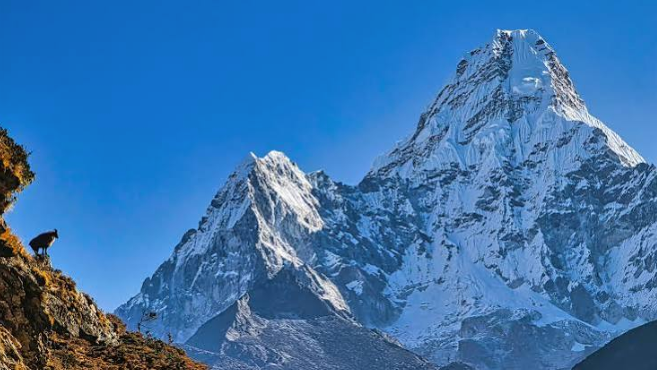

Nepal has long been a destination for climbers who want to experience the power, beauty, and challenge of the Himalayas. While trekking routes offer an excellent introduction to the mountains, climbing expeditions provide a deeper and more demanding experience. The Pumori Expedition and Ama Dablam Expedition are two remarkable climbing adventures in the Everest region, attracting experienced mountaineers who are ready to test their skills at high altitude.
Although both mountains are located in the Khumbu region and offer spectacular views of Mount Everest and surrounding peaks, their climbing characteristics are quite different. Pumori presents a serious high-altitude challenge, while Ama Dablam is renowned for its technical terrain, exposed ridges, and distinctive pyramid-shaped summit.
Pumori Expedition
The Pumori Expedition takes climbers to one of the most striking peaks near Mount Everest. Pumori stands at approximately 7,161 meters above sea level and is located in the Khumbu region of Nepal. Because of its impressive appearance and challenging climbing terrain, it has earned a strong reputation among experienced Himalayan mountaineers.
The expedition begins with a trek through the famous Everest region. The approach provides much more than a route to base camp. Climbers pass through Sherpa villages, Buddhist monasteries, suspension bridges, and dramatic mountain valleys. As the trail gains altitude, the landscape gradually changes from green hills and forests to rocky valleys, glaciers, and snow-covered peaks.
The climb itself requires a high level of preparation. Depending on the route and conditions, climbers encounter steep snow and ice, exposed sections, glaciers, and technically demanding terrain. Previous experience with high-altitude mountaineering is therefore extremely valuable.
Pumori’s location close to Everest adds another dimension to the expedition. Climbers can enjoy extraordinary views of Everest, Lhotse, Nuptse, and other major peaks throughout the journey.
Key Points of Pumori Expedition
- Peak: Pumori
- Elevation: Approximately 7,161 meters
- Location: Khumbu/Everest region, Nepal
- Difficulty: Very challenging
- Expedition type: Technical high-altitude mountaineering
- Major attraction: Spectacular views of Mount Everest and surrounding peaks
- Terrain: Snow, ice, glaciers, and steep mountain sections
- Recommended for: Experienced mountaineers
- Essential preparation: Physical conditioning, acclimatization, technical climbing skills, and appropriate equipment
One of the most rewarding aspects of the expedition is the combination of adventure and exploration. The journey through the Khumbu provides an opportunity to understand the landscape and culture of the region before entering the demanding environment of the high mountain.
Ama Dablam Expedition
The Ama Dablam Expedition offers a different but equally memorable Himalayan climbing experience. Standing at approximately 6,812 meters, Ama Dablam is widely recognized for its elegant shape and dramatic ridges. Its distinctive appearance has made it one of the most photographed mountains in the Everest region.
The mountain is visible from several popular trekking routes in Khumbu, but seeing Ama Dablam from a trekking trail is very different from climbing it. An expedition takes climbers directly into the high-altitude environment surrounding the mountain and onto technically challenging sections of rock, snow, and ice.
The approach generally follows the classic trails of the Everest region. Climbers travel through Sherpa settlements and high valleys before reaching the base camp area. Along the way, the views become increasingly impressive, with Ama Dablam dominating the landscape.
The climbing route requires confidence with ropes, crampons, ice axes, and other mountaineering equipment. Exposed ridges and steep sections demand concentration and good decision-making. Although Ama Dablam is lower than Pumori, its technical character makes it a serious climbing objective.
Key Points of Ama Dablam Expedition
- Peak: Ama Dablam
- Elevation: Approximately 6,812 meters
- Location: Khumbu/Everest region, Nepal
- Difficulty: Challenging technical climb
- Expedition type: High-altitude technical mountaineering
- Major attraction: Iconic pyramid-shaped summit and exposed ridges
- Terrain: Rock, snow, ice, glaciers, and steep ridges
- Recommended for: Experienced climbers
- Essential preparation: Physical fitness, technical skills, acclimatization, and suitable climbing equipment
The beauty of Ama Dablam is one of the reasons climbers are drawn to it. The mountain rises dramatically above the surrounding valleys, creating an unforgettable backdrop throughout the approach and climbing stages.
Pumori vs. Ama Dablam Expedition
Choosing between Pumori and Ama Dablam depends on a climber’s experience, objectives, and preferred style of climbing.
Pumori reaches a higher elevation and presents a serious high-altitude challenge. Climbers must be prepared for demanding conditions, steep terrain, and the effects of extreme altitude.
Ama Dablam is lower but is widely respected for its technical and exposed climbing. Its combination of rock, snow, ice, and narrow ridges requires strong technical ability and careful movement.
Both expeditions demand much more than physical fitness. Experience, acclimatization, weather awareness, route knowledge, equipment management, and sound judgment are all essential. A climber should select an objective according to actual experience rather than simply comparing mountain elevations.
Best Time for Pumori and Ama Dablam
Spring and autumn are generally regarded as the principal climbing seasons in Nepal. Spring can provide favorable conditions for high-altitude climbing, while autumn often brings clear skies and excellent mountain visibility after the monsoon.
Despite these favorable seasons, conditions in the high Himalayas can change rapidly. Strong winds, snowfall, freezing temperatures, and changing snow conditions can affect the safety and timing of an expedition.
A flexible schedule is therefore important. Expedition teams may need additional days for acclimatization or to wait for a suitable weather window before attempting higher sections or the summit.
Physical and Technical Preparation
A successful Himalayan expedition starts with preparation long before arriving in Nepal. Climbers should develop strong cardiovascular endurance, leg strength, balance, and overall stamina.
Technical training is equally important. Climbers should be comfortable using crampons, ice axes, harnesses, ropes, helmets, and other equipment required for their selected route.
Acclimatization should be carefully planned because the human body needs time to adjust to decreasing oxygen levels. Climbers should understand the symptoms of altitude-related illness and follow the advice of experienced guides and expedition leaders.
Mental preparation should not be overlooked. High-altitude expeditions can involve cold temperatures, fatigue, unpredictable weather, long waiting periods, and difficult decisions. Patience and the ability to recognize when conditions are unsafe are essential qualities.
Respecting the Himalayas
Mountain climbing also comes with a responsibility to protect the environment and respect local communities. Climbers should minimize waste, follow local regulations, and avoid leaving unnecessary materials in the mountains.
The Khumbu region is also home to a rich Sherpa culture and important Buddhist traditions. Respecting monasteries, local customs, religious sites, and communities makes the expedition more meaningful while supporting responsible tourism.
Conclusion
The Pumori Expedition and Ama Dablam Expedition offer two outstanding ways to experience the high Himalayas of Nepal. Pumori provides a demanding high-altitude challenge close to Mount Everest, while Ama Dablam combines technical climbing with one of the most recognizable mountain landscapes in the world.
Pumori may appeal more to climbers seeking a higher and more serious Himalayan objective, whereas Ama Dablam is an excellent choice for experienced mountaineers attracted to technical climbing and exposed ridges. Neither expedition should be underestimated, and both require thorough preparation, appropriate equipment, acclimatization, and experienced support.
For climbers who are properly prepared, the reward is not limited to reaching the summit. The journey through the Khumbu, the surrounding Himalayan scenery, encounters with Sherpa culture, and the personal achievement of overcoming challenging terrain can make either expedition an unforgettable chapter in a mountaineering career.