

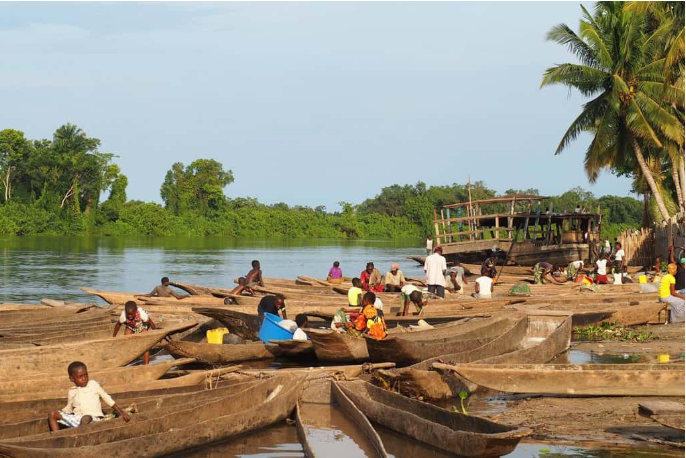

Few destinations on Earth conjure as much mystery, raw beauty, and untamed wilderness as the Congo. Stretching across Central Africa, the Congo region — encompassing the Democratic Republic of Congo (DRC) and the Republic of Congo (Republic of Congo, or Congo-Brazzaville) — is home to the world’s second-largest tropical rainforest, one of Africa’s mightiest rivers, and a staggering diversity of wildlife that includes mountain gorillas, forest elephants, and okapis found nowhere else on the planet.
Traveling to the Congo trips is not for the faint-hearted. It demands preparation, patience, and a willingness to embrace the unpredictable. But for those who make the journey, the rewards are extraordinary: dawn river mist rising over the Congo River, the haunting calls of chimpanzees echoing through ancient forests, and communities whose cultures have flourished for centuries. This guide provides everything you need to know to plan responsible, informed, and unforgettable Congo trips.
Understanding the Two Congos
Before planning your itinerary, it is essential to understand the distinction between the two neighboring nations that share the Congo name.
The Democratic Republic of Congo (DRC), formerly Zaire, is the larger of the two and is the third-largest country in Africa by area. Kinshasa, its capital, sits on the southern bank of the Congo River and is home to over 15 million people, making it one of Africa’s most populous cities. The DRC holds extraordinary natural wealth — coltan, cobalt, gold, and vast tracts of rainforest — and is the base for most gorilla trekking Uganda and wildlife experiences.
The Republic of Congo (Congo-Brazzaville), smaller and relatively more stable, sits on the northern bank of the river. Brazzaville, its capital, faces Kinshasa across the water — the only place in the world where two national capitals are visible to each other across a river. Congo-Brazzaville offers excellent opportunities for wildlife viewing in Odzala-Kokoua National Park and the Nouabalé-Ndoki National Park, the latter a UNESCO World Heritage Site.
Top Destinations and Experiences
1. Gorilla Trekking in Virunga National Park (DRC)
Virunga National Park, Africa’s oldest national park, is perhaps the single most iconic reason travelers brave the Congo trips. Home to roughly one-third of the world’s critically endangered mountain gorillas, it offers trekking experiences that are widely considered among the most profound wildlife encounters available anywhere on Earth.
Permits must be booked well in advance through the park authority, and groups are strictly limited to eight visitors per gorilla family per day. Treks can range from one hour to a full day depending on where the gorillas are ranging. The experience — sitting in silence a few meters from a massive silverback — is deeply humbling and consistently described by visitors as life-changing.
Virunga also offers volcano hikes, including the ascent of Mount Nyiragongo to peer into one of the world’s largest lava lakes. The trek takes approximately five to six hours uphill and requires spending a night at the crater rim before descending.
2. Odzala-Kokoua National Park (Republic of Congo)
Odzala-Kokoua is one of Africa’s oldest and most biodiverse parks, covering 13,500 square kilometers of dense equatorial forest, swamp, and savanna. The park is home to large populations of western lowland gorillas, forest buffalo, forest elephants, and hundreds of bird species. Unlike the DRC’s mountain gorillas, western lowland gorillas are smaller and live in lower-altitude forests.
The park is accessed via small aircraft from Brazzaville, and most visitors stay at one of two luxury lodges operated by wilderness specialists. Guided walks, canoe trips through bais (forest clearings and marshes where wildlife congregates), and night drives provide varied and rewarding encounters with the ecosystem.
3. The Congo River Journey
For the truly adventurous traveler, a passage along the Congo River aboard one of the legendary river barges is a journey back in time. The river, the second longest in Africa at approximately 4,700 kilometers, is the economic lifeline of the DRC, and these barges — slow, crowded, and extraordinary — carry passengers, traders, livestock, and cargo between Kinshasa and Kisangani over roughly two weeks.
Life on the barge is chaotic and magnificent. At every stop, a floating market develops alongside the vessel as dugout canoes pull up selling smoked fish, live monkeys, tropical fruit, and hand-crafted goods. It is one of the world’s great travel experiences, raw and unfiltered.
4. Kinshasa’s Cultural Scene
Kinshasa is Africa’s great underrated capital. The birthplace of Congolese rumba — recognized on UNESCO’s Intangible Cultural Heritage list — the city pulses with musical energy. Live music venues called uganda fill nightly with the sounds of soukous and ndombolo. The city’s art scene, centered around the Académie des Beaux-Arts, has produced painters and sculptors celebrated internationally. The Marché de la Liberté and the colorful neighborhoods of Gombe and Matonge offer immersive cultural encounters that few tourists ever reach.
When to Visit
The Congo and Kenya safaris basin has two distinct wet seasons and two dry seasons, varying somewhat between the north and south of the region. Generally, the best time to visit is during the dry seasons:
- June to September: The primary dry season in much of the DRC and Congo-Brazzaville. Roads are more passable, and gorilla trekking conditions are optimal.
- December to February: A secondary drier period, particularly suitable for the southern DRC.
Avoid the peak wet seasons (October–November and March–May) unless you are specifically visiting for birdwatching, when rainfall draws extraordinary avian diversity.
Travel Logistics and Practicalities
Visas and Entry
Both the DRC and Congo-Brazzaville require visas, which must be arranged well before departure. The DRC visa application process can be lengthy and requires a letter of invitation in many cases. Travelers are strongly advised to use a specialist travel agency or tour operator with Congo experience to facilitate visa processing.
Getting There
Kinshasa’s N’djili International Airport receives direct flights from Brussels, Paris, Addis Ababa, Nairobi, and several West African hubs. Brazzaville’s Maya-Maya Airport is connected to Paris, Casablanca, and Addis Ababa. From Brazzaville, a short river crossing by ferry reaches Kinshasa.
Internal travel within the DRC is predominantly by light aircraft, as road infrastructure is extremely limited and river travel can be slow. Several regional airlines operate between Kinshasa, Goma (gateway to Virunga), Kisangani, and Lubumbashi.
Health and Safety
Vaccinations required or recommended for the Congo include yellow fever (mandatory), typhoid, hepatitis A and B, and meningitis. Malaria prophylaxis is essential throughout the region. Travelers should also consult their physician regarding cholera vaccination.
The security situation varies significantly by region. Parts of eastern DRC, particularly North and South Kivu provinces, have experienced ongoing conflict and are subject to travel advisories from most governments. Virunga and Bwindi forest National Park has significantly improved its security infrastructure in recent years and successfully operates tourism, but travelers should review current advisories and travel only with reputable, park-registered guides and operators.
Key Takeaways
- Plan early. Gorilla trekking permits sell out months in advance. Visa processing can take weeks or more. Congo travel requires longer lead times than most destinations.
- Use specialist operators. The Congo trip is not a place for improvised solo travel in most regions. Reputable tour operators with established local relationships ensure safety, logistics, and meaningful experiences.
- Respect the ecosystems. Strict regulations exist around wildlife encounters. Maintain required distances from great apes, follow guide instructions, and never feed or attempt to touch wildlife.
- Budget generously. Congo travel, especially for gorilla safari Rwanda and luxury lodge experiences in national parks, is expensive. Permit fees, charter flights, and remote lodge rates add up quickly — but they directly fund conservation.
- Go with patience. Infrastructure is unpredictable. Flights get cancelled, roads wash out, and plans change. Flexibility is not just helpful — it is essential.
- Travel responsibly. The Congo’s communities and ecosystems are under enormous pressure. Choose operators who employ local guides, contribute to community development, and adhere to conservation best practices.
Questions & Answers
Q: Is the Congo safe for tourists? A: Safety varies greatly by location. Established tourism zones such as Virunga National Park (with park rangers and security escorts), Odzala-Kokoua in Congo-Brazzaville, and the capitals Kinshasa and Brazzaville receive visitors regularly. Eastern DRC outside of designated tourism areas remains volatile. Always check current government travel advisories and travel with vetted operators.
Q: How much does a gorilla trekking permit cost in the DRC? A: As of 2025–2026, gorilla trekking permits for Virunga National Park are priced at approximately $400 USD per person per trek. Prices can change seasonally or due to park policy updates. Booking through the official Virunga National Park website or an authorized operator is strongly recommended.
Q: Do I need special equipment for gorilla trekking? A: Yes. You will need sturdy waterproof hiking boots, long-sleeved clothing to protect against insects and stinging vegetation, lightweight rain gear, gardening gloves for grasping vegetation on steep terrain, and plenty of water. A day pack, sun protection, and insect repellent are also essential. Many lodges loan or rent trekking gear.
Q: Can I visit both the DRC and Congo-Brazzaville in one trip? A: Absolutely, and the river crossing between Kinshasa and Brazzaville makes this relatively straightforward. However, each country requires a separate visa, and the border crossing, while short in distance, can involve wait times. Many travelers pair a few days in Brazzaville and Odzala with time in Kinshasa and Virunga for a comprehensive Congo experience.
Q: What language is spoken in the Congo? A: French is the official language of both countries. In the DRC, four national languages are widely spoken: Lingala (especially in Kinshasa and along the river), Swahili (eastern DRC), Kikongo (west), and Tshiluba (south-central). In Congo-Brazzaville, Lingala and Kituba are the principal national languages. Learning a few phrases in French or Lingala is warmly received by locals.
Q: What currency is used, and can I use cards? A: The DRC uses the Congolese franc (CDF), though US dollars are widely accepted and often preferred in cities and tourist areas. Congo-Brazzaville uses the Central African CFA franc (XAF). Credit card infrastructure is limited outside major hotels. Carry sufficient cash in USD or local currency; ATM availability is unreliable outside capital cities.
Conclusion
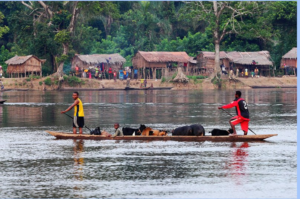
The Congo trips occupy a singular place in the world’s imagination — and in its ecology. As the lungs of Africa, its forests sequester carbon on a global scale; as home to gorillas, bonobos, and forest elephants, it shelters some of the most irreplaceable wildlife on Earth. For travelers willing to engage with its complexities, the Congo and Tanzania safaris offers experiences that are not just memorable but genuinely transformative.
To visit the Congo responsibly is to participate, however modestly, in its future. The fees paid for gorilla trekking fund ranger salaries and anti-poaching patrols. The lodges that employ local guides and invest in community health and education demonstrate that conservation and human development are not competing goals. Every thoughtful visitor adds a voice to the argument that this extraordinary place is worth protecting.
The Congo trip is difficult. It is expensive. It is logistically demanding. But it is also breathtaking, humbling, and alive in ways that few places on Earth still are. Go prepared, go respectfully, and go with open eyes — the heart of Africa will reward you beyond expectation.